
Craft
Why We Shoot Golden Hour (and When We Don't)
By Consigns Digital ·
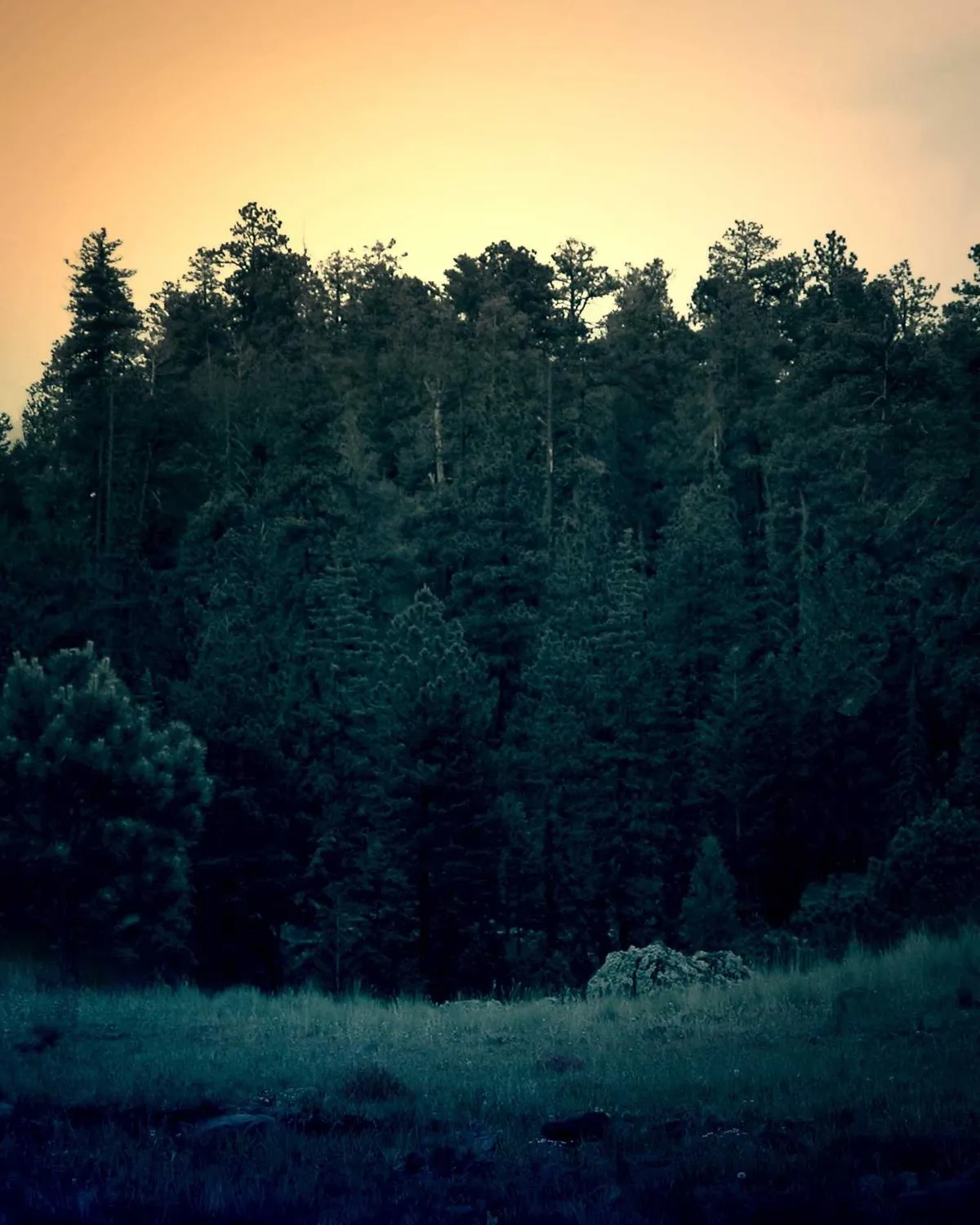
The hour after sunrise and the hour before sunset get talked about like a cheat code. Low sun, warm colour, long shadows, everyone looks good. All true. But treating golden hour as the only correct answer leads to a portfolio where every photograph has the same emotional temperature.
What the light is actually doing
When the sun sits low, its light travels through more atmosphere before it reaches you. That does three useful things at once:
- It warms the colour, because shorter blue wavelengths scatter away first.
- It softens the shadows, because the effective light source is larger relative to the subject.
- It comes in sideways, which is what creates separation between a person and their background.
That third one does most of the work. Overhead midday sun puts shadows under the brow and chin — the least flattering places to put them. Side light wraps instead.
The tradeoff nobody mentions
Golden hour is short, and it is not negotiable. At an event it might collide with speeches. In winter it can land at 3:40pm, in the middle of the thing you were hired to cover. Planning an entire shoot around forty minutes of light means everything else bends to it.
Good light is worth planning for. It is not worth missing the moment for.
When we deliberately shoot something else
Overcast days. A heavy cloud layer is a softbox the size of the sky. For profile photos, and especially for group shots where you cannot control everyone’s angle, flat even light is genuinely easier to work with than dramatic low sun.
Open shade at midday. Standing someone just inside the edge of a building’s shadow gives you soft light on the face with a bright background. It is the most reliable trick in daytime people photography, and it works at noon.
Full dark. String lights, a venue, a city street — artificial light has direction and colour you can choose, which daylight never does. Some of the strongest frames from any event happen after 10pm.
Blue hour. The twenty minutes after the sun is fully down, when the sky is still bright but has gone deep blue. Ambient light balances with indoor tungsten, and you get a colour contrast that is very hard to fake.
How we plan it in practice
For a profile session we will usually aim for golden hour and build in a buffer, because the sun does not wait. For an event we work backwards from the schedule, then find the ten minutes we can borrow — often right after the meal, when nobody misses you.
The goal is never to collect one kind of light. A gallery that moves from bright morning setup, through flat afternoon coverage, into warm evening portraits and dark loud dancing tells the story of a day. A gallery of forty golden-hour frames tells you what time it was.
Have a date in mind and want to talk through timings? Reach out — we do this planning for every event photography booking anyway.